The roka when one family is in Auckland and one in Punjab
Doing the roka across twelve thousand kilometres: who travels, how a video roka works, the time difference, the shagun, and why the roka is the evidence a visa officer asks for.
By the Rishta team· Published · 6 min read
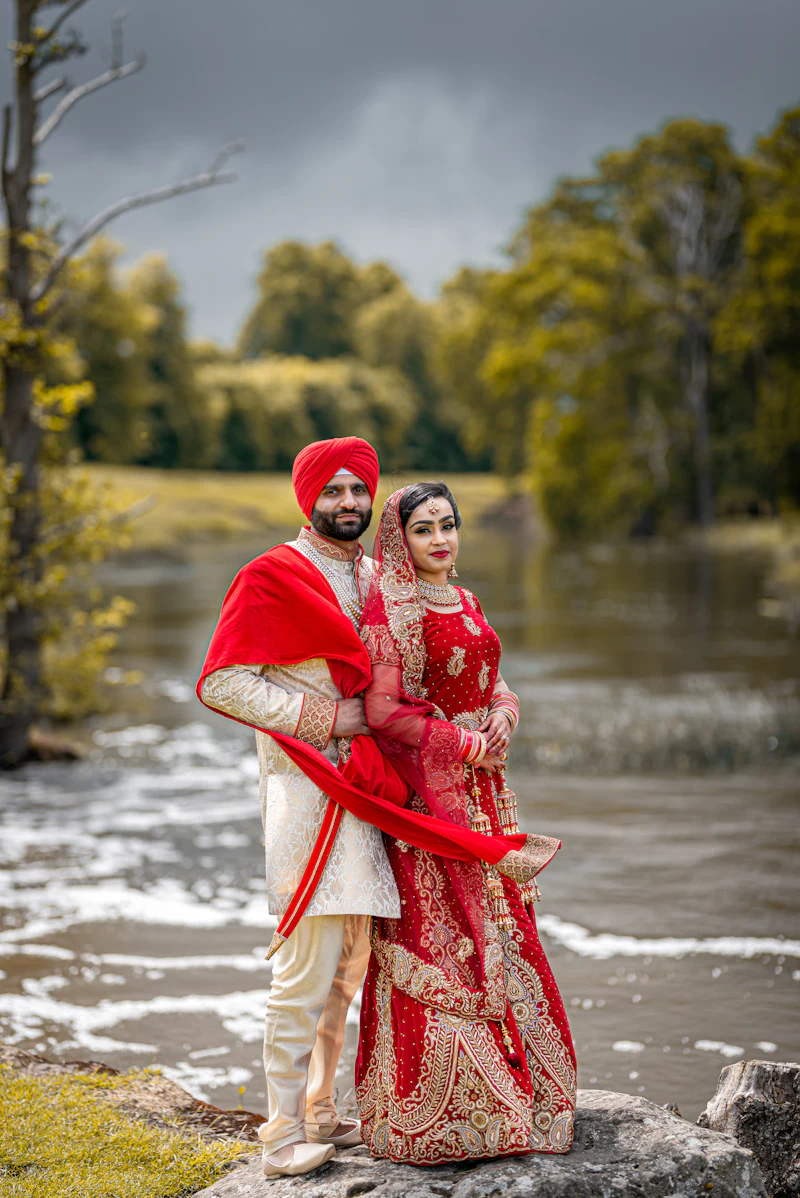
The roka is the moment both families stop looking. Traditionally it is small: the boy’s family visits the girl’s home, or the other way round, a shagun is given, an ardaas is said, sweets go round, and from that day the rishta is pakka. It takes an afternoon. When one family is in Auckland and the other in Jalandhar, it takes planning, and this guide is for families doing it for the first time from here. There is a Melbourne version of this guide too; the questions are the same, the time zone is not.
First: is it a roka or an engagement?
Decide, and say so to both families, because the two have drifted together and that is where the arguments start. A roka is the families agreeing; there is no ring, strictly, and no exchange beyond the shagun. The engagement, the kurmai or the ring ceremony, comes later and is bigger. Families on different continents sometimes combine the two to save a flight, which is sensible, as long as everyone knows which event they are at and nobody’s nani is told afterwards that she missed the roka.
Who travels
Three ways, and each has its own cost.
The Auckland family flies to Punjab. The most traditional, and often the cheapest per person, since one or two people fly and the whole pind is there. It usually means the roka happens on the other family’s terms and timetable, and it can be combined with the engagement to avoid a second trip.
The Punjab family comes to Auckland. This needs a visitor visa for each person, which means an application, a fee, evidence of funds and ties to India, and time. Parents of a New Zealand resident are often granted one, but allow months, not weeks, and do not book the hall before the visa is in hand.
Nobody flies: the video roka. Normal since 2020 and now a tradition of its own. One family gathers at home or at the gurdwara, the other at theirs, and the roka happens on a screen propped on a table. It works best when it is treated exactly as a real roka: everyone dressed, the elders at the front, an ardaas at one end or both, the shagun given in person to whichever side is present and the other side shown it, and sweets at both ends. Test the connection the day before. Put the phone on a stand, not in a nephew’s hand.
The time difference
New Zealand is six and a half hours ahead of India in the New Zealand winter and seven and a half in the New Zealand summer, when daylight saving runs from late September to early April. A roka at eleven in the morning in Jalandhar is half past five or half past six in the evening in Auckland, which is the one slot that works for both families on a weekend. A Sunday evening in Auckland is a Sunday morning in Punjab; a Saturday morning in Auckland is Friday night in Punjab, which is nobody’s idea of auspicious.
The shagun across borders
A shagun carried in a suitcase is the custom; a shagun sent by bank transfer is the reality for a lot of families, and nobody minds as long as it is announced properly at the roka. Gifts for the other family, the sweets and the dry fruit, are easier bought at that end by a relative than carried through New Zealand biosecurity, which will take the barfi off you at the airport if it has the wrong ingredients and will certainly take the fresh fruit.
Why the roka matters later
If the match is in India and the wedding will be in New Zealand, the person coming here will apply for Immigration New Zealand’s culturally arranged marriage visa. That visa asks for evidence that the marriage was arranged by the families within a tradition, and the roka is that evidence: the date, who was there, the photos, the ardaas, the shagun. Keep all of it. A family that can show a roka in March, an engagement in June and a wedding booked for December has an easy application. Read the culturally arranged marriage visa before the roka, not after, because it also requires that the two of you have met in person before the application is made, and a video roka does not count as meeting.
Keeping it a roka
The roka is not the wedding, and the surest way to spoil a rishta is to let it become one. A roka in Auckland needs the immediate family, the sweets, a shagun, and an ardaas, and that is all. The Auckland family does not need to hire a hall, and the Punjab family does not need to invite the village. Save both for the wedding, where there is a guide to the Anand Karaj at a New Zealand gurdwara and one to registering the marriage so that it counts in law.
Before the roka
Both families have to agree there is something to stop looking for. On Rishta a parent can make and manage a profile, relatives who are not members can be shown a Family View page, and a matchmaker can speak to both families with the member’s consent, which for a match across two countries is often where the roka is first talked about. Punjabi matrimony in New Zealand explains how the search works from here.