Registering a marriage in New Zealand, step by step
How a Sikh, Hindu, Muslim or Christian wedding becomes a legal marriage in New Zealand: the notice, the three working days, the fee, the celebrant, the words, and the certificate.
By the Rishta team· Published · Updated · 7 min read
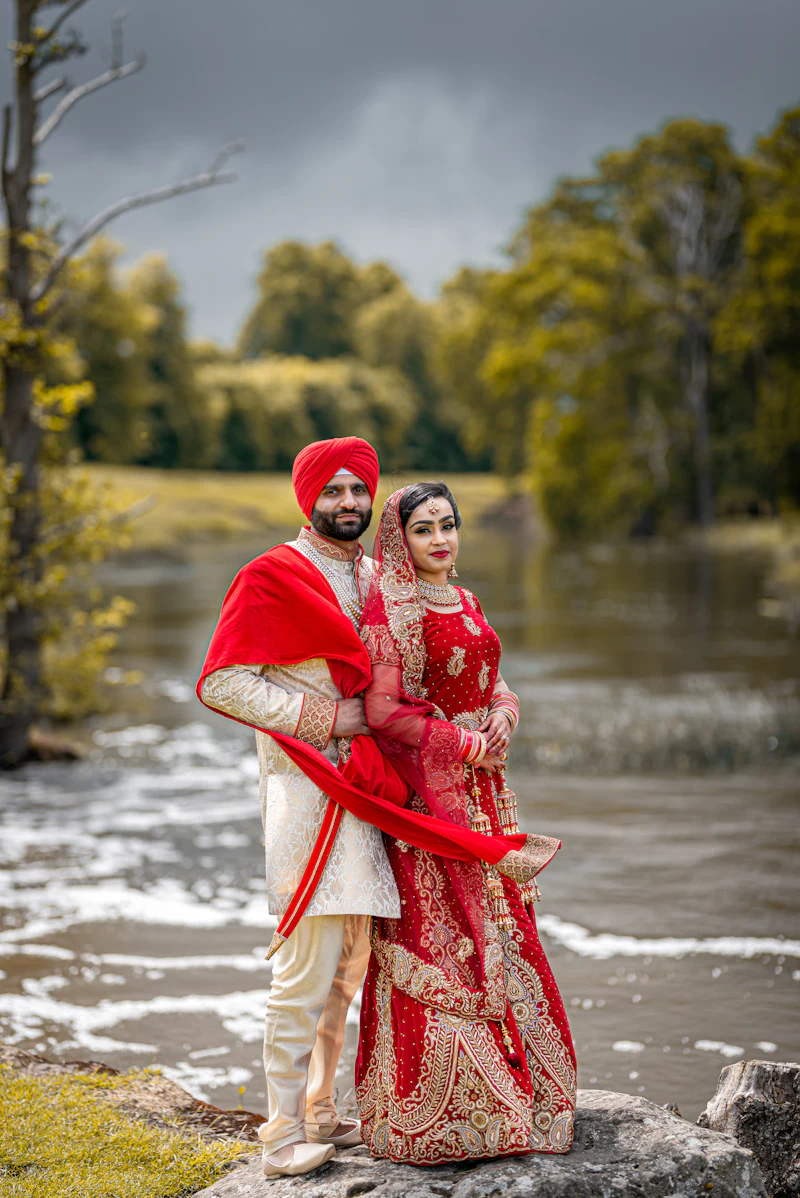
A wedding at the gurdwara, the mandir, the mosque or the church is a wedding. Whether it is also a legal marriage in New Zealand depends on two pieces of paper and one person: a marriage licence issued beforehand, a registered celebrant conducting the ceremony, and the particulars sent back to the registry afterwards. Families from India are often surprised by this, because in India the religious ceremony is the marriage and registration is a formality after the fact. Here it is the other way round.
This is the practical version, as the rules stood in October 2026. Fees change (they went up in June 2026), so check the current figures on govt.nz before you budget.
Who can marry here
Anyone. You do not need to be a citizen or a resident, and a visitor can marry a New Zealander on a visitor visa; the visa is a separate matter from the marriage, covered in our guide to the culturally arranged marriage visa. Both people must be at least 16, and anyone under 18 needs the Family Court’s consent. Neither can already be married, and the two cannot be within the prohibited degrees of relationship.
Step one: the notice of intended marriage
The licence is applied for from Births, Deaths and Marriages, part of the Department of Internal Affairs, and the application is called a notice of intended marriage. It can be done online. One of you gives the notice, in person or online, declaring that there is no legal reason the marriage cannot go ahead.
Two things about it matter for planning:
- Give the notice more than three working days before the wedding. The licence cannot be issued sooner. Families flying in for a date set months ago sometimes forget this and find themselves at the registry on the Thursday for a Saturday wedding.
- The licence is valid for three months. Apply too early and it lapses.
The licence names the celebrant and the place of the ceremony. If the ceremony is at a gurdwara or temple, say so; if it is in a hall, the hall.
Step two: the celebrant
A marriage in New Zealand is solemnised by a registered marriage celebrant, and there are three kinds:
- Organisational celebrants, approved for a religious body: granthis, pandits, imams, priests and ministers registered through their gurdwara, temple, mosque or church. Most of the larger gurdwaras and temples in Auckland, Hamilton, Wellington and Christchurch have one. Ask the gurdwara committee or the temple office early whether their celebrant is registered and available for your date.
- Independent celebrants, registered in their own right, who can conduct a ceremony anywhere.
- The registry, where a registrar conducts a short ceremony at a registry office for a set fee that includes the licence.
Families from India sometimes ask how to do a court marriage here. There is no court involved in New Zealand: the nearest thing is the registry ceremony, short, civil and a complete legal marriage on its own, with the same licence and the same two witnesses as any other wedding.
If the religious ceremony will be conducted by someone who is not a registered celebrant, the usual solution is a short legal ceremony with a registered celebrant or at the registry the same day or the day before, and the religious ceremony as the family knows it. Many Anand Karaj and Hindu weddings here are done exactly that way.
Step three: the ceremony
Whatever the rite, two things must happen for the marriage to be legal: at least two witnesses must be present, and at some point each of you must say, in front of the celebrant and the witnesses, words to the effect of “I, [name], take you, [name], to be my legal wife” or “husband”. The celebrant will fit the words into the ceremony; at a gurdwara they are usually said after the lavaan, at a mandir after the saptapadi. Everything else, the kirtan, the pheras, the nikah, the vows, is yours.
Step four: the certificate
After the ceremony the celebrant and the witnesses sign the copy of particulars, and the celebrant returns it to Births, Deaths and Marriages within ten days. The marriage is then registered, and you can order a marriage certificate online for a small fee. Order two: Immigration New Zealand, banks and the Indian consulate will all want one, and the Indian side of the family will want one for registration or a visa in India.
What it costs
Until the June 2026 increase the published fees were NZ$150 for a licence for a ceremony with your own celebrant and NZ$240 for a registry ceremony including the licence. The current fees are on govt.nz. Organisational celebrants usually do not charge a separate fee beyond the gurdwara’s or temple’s usual donation; independent celebrants set their own.
Marrying overseas instead
A marriage that is legal where it took place, in India, Fiji or anywhere else, is generally recognised in New Zealand without being re-registered here. For a wedding in India the marriage will need to be registered there, under the Hindu Marriage Act or the Special Marriage Act as applicable, and that certificate is what Immigration New Zealand and everyone else will ask for. The reverse also holds: a New Zealand marriage certificate is accepted in India once it is apostilled.
Where a matrimonial site fits
Nowhere, honestly, except at the beginning. By the time a family is at the registry the site has done its job. What we can say is that the people you meet on Rishta have already passed an ID check with a document and a live selfie, which is the same document the registry will ask to see.
This guide describes the published process as at October 2026 and is not legal advice. The current fees, forms and the online notice are at govt.nz under “Getting married”.